Production Process
Vacuum Forming
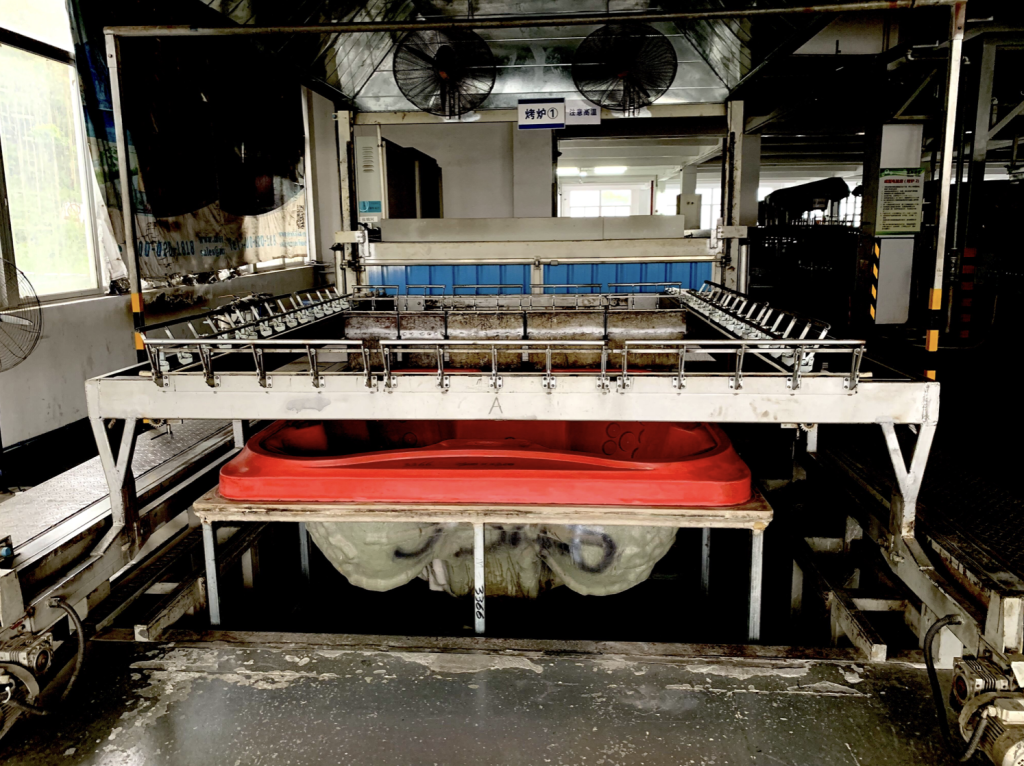
The production of a hot tub begins with vacuum forming, a shaping process used for the hot tub shell, typically constructed from acrylic due to its durability and aesthetic appeal. The first step involves a thorough cleaning of the mold and acrylic sheet, ensuring any dirt or debris is removed to prevent surface imperfections in the final product. The clean acrylic is then placed into a high-temperature oven, where it’s heated until it becomes soft and pliable, a process that requires careful temperature control to prevent warping or bubbling.
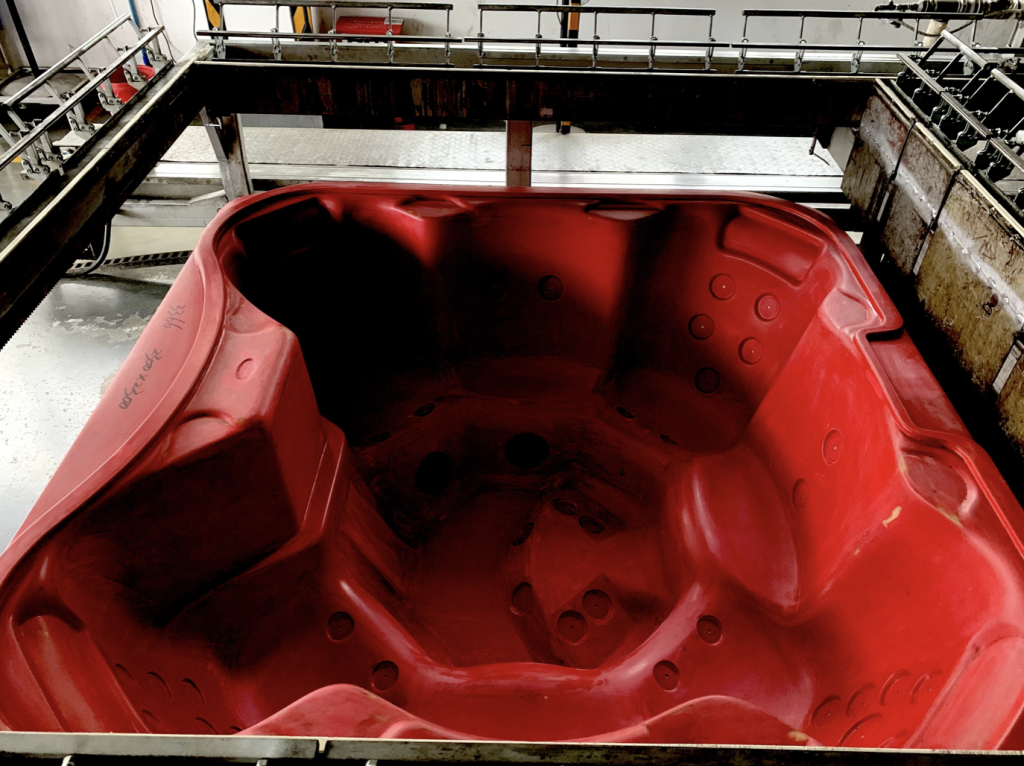
Once the acrylic is sufficiently heated, it’s quickly placed onto the mold and a vacuum is activated, removing the air between the mold and the acrylic, causing the sheet to conform to the mold’s contours. After the forming stage, the acrylic shell cools down and hardens, a process often expedited with fans or cool air jets. Following cooling and solidification, the shell undergoes an inspection for any imperfections and excess material from the edges is trimmed off, leaving a shell with the exact shape and size of the hot tub design. This vacuum-formed shell then moves onto the next steps in hot tub production, such as reinforcement, plumbing installation, and cabinet building.
Fiberglass Reinforcement
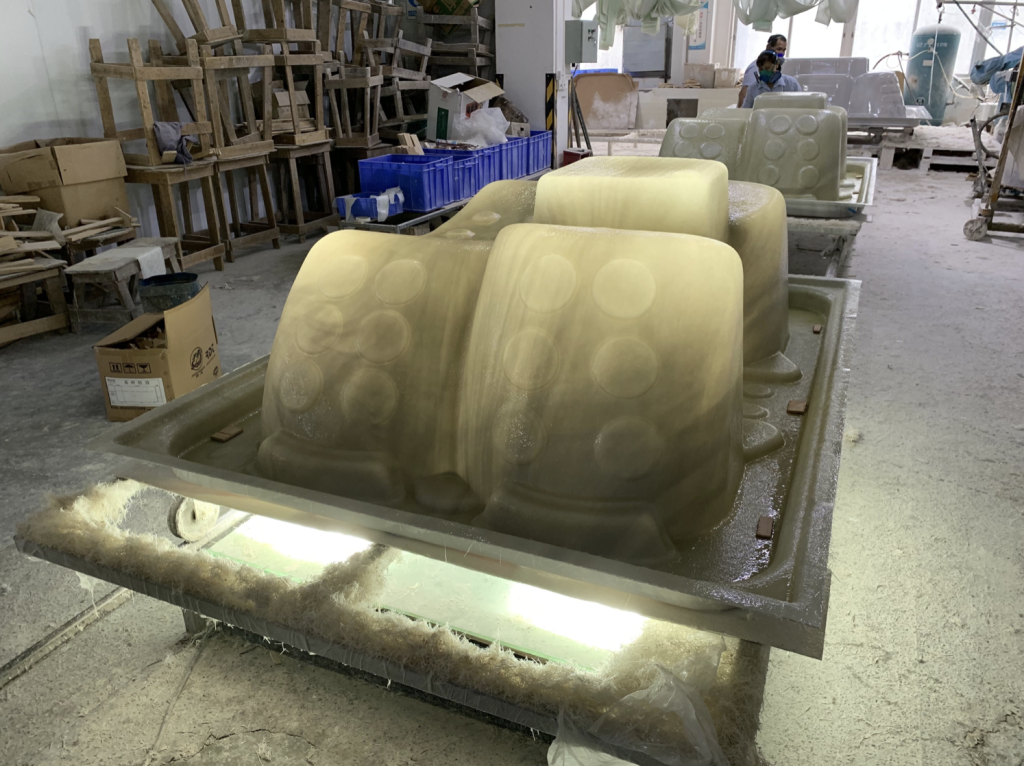
The fiberglass reinforcement is indeed a crucial step in hot tub production, adding strength and durability to the formed acrylic shell. In this process, multiple layers of fiberglass, along with a resin, are applied to the underside of the acrylic shell. The fiberglass/resin mixture hardens, creating a robust backing to the shell that can withstand the weight of water and users. Once the fiberglass reinforcement is cured and hardened, it is inspected for quality and uniformity to ensure a structurally sound hot tub.
Drilling
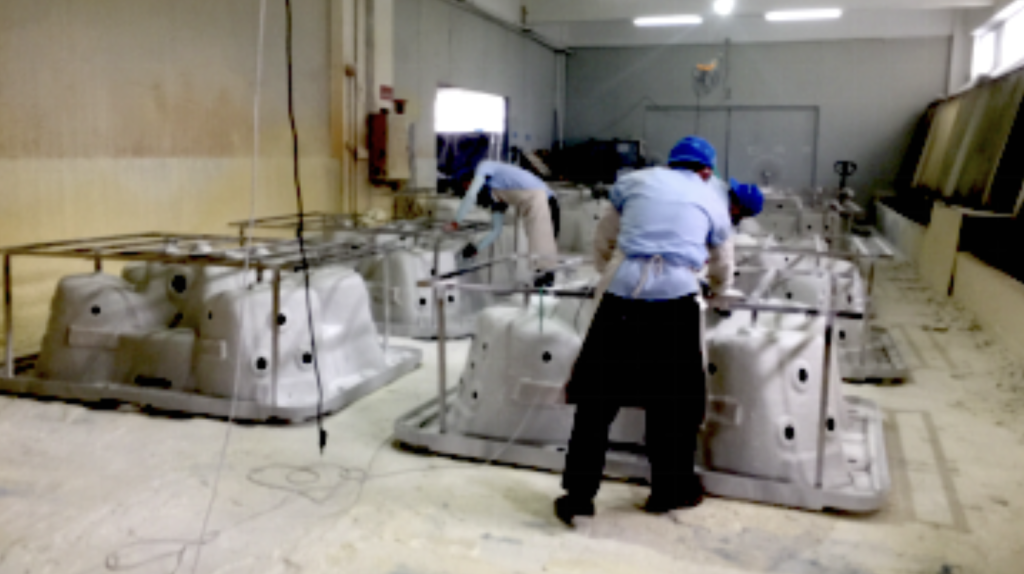
Following the fiberglass reinforcement, the next step is drilling. In this phase, precise holes are drilled into the shell for the various components of the hot tub. These components include the jets, control system, lights, and drain outlets.
Using specialized equipment and guided by the design specifications, holes are carefully drilled at the exact spots where these components will be installed. The drilling must be precise to ensure a watertight fit for each component, which is critical for the proper function and safety of the hot tub. It’s important to note that the number and positioning of the holes depend on the specific hot tub model and its design features. After drilling, each hole is inspected for accuracy and smoothness, preparing the way for the next step in the production process – the installation of plumbing and components.
Assembling
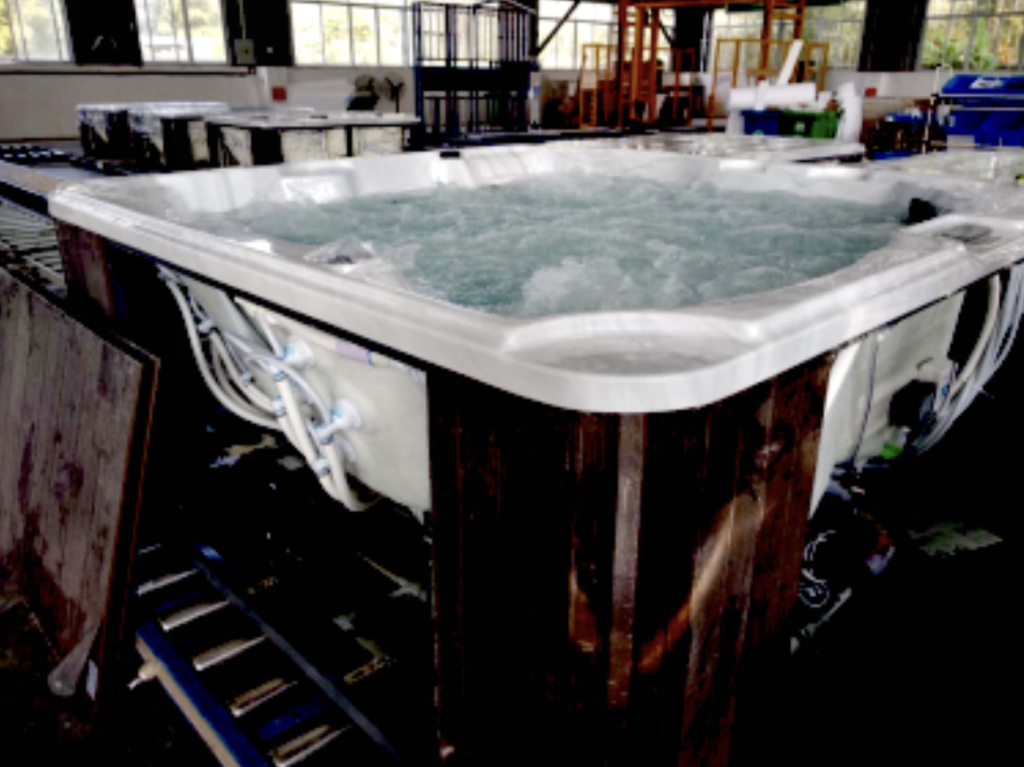
In the assembly stage, key components including jets, control system, lights, and drain outlets are installed into pre-drilled holes in the hot tub shell. Concurrently, the plumbing system, responsible for circulating water between the tub and the pump system, is securely installed. Additionally, any special features like speakers or advanced lighting systems are assembled. After installation, all components undergo a thorough test for functionality and leak detection to ensure readiness for the final production steps.
Inspection
Following assembly, the hot tub undergoes a rigorous inspection. This stage is vital to ensure that every aspect of the hot tub meets the manufacturer’s standards for quality and safety. Inspectors check the installation of all components, ensuring they fit properly and function as intended. The plumbing system is carefully examined for leaks, and the shell is scrutinized for any defects. Electrical systems are tested for safety, and the overall function of the hot tub is evaluated, including controls, jets, and other features. Any issues discovered during inspection are addressed immediately to guarantee a top-quality, fully functional hot tub.
Packaging
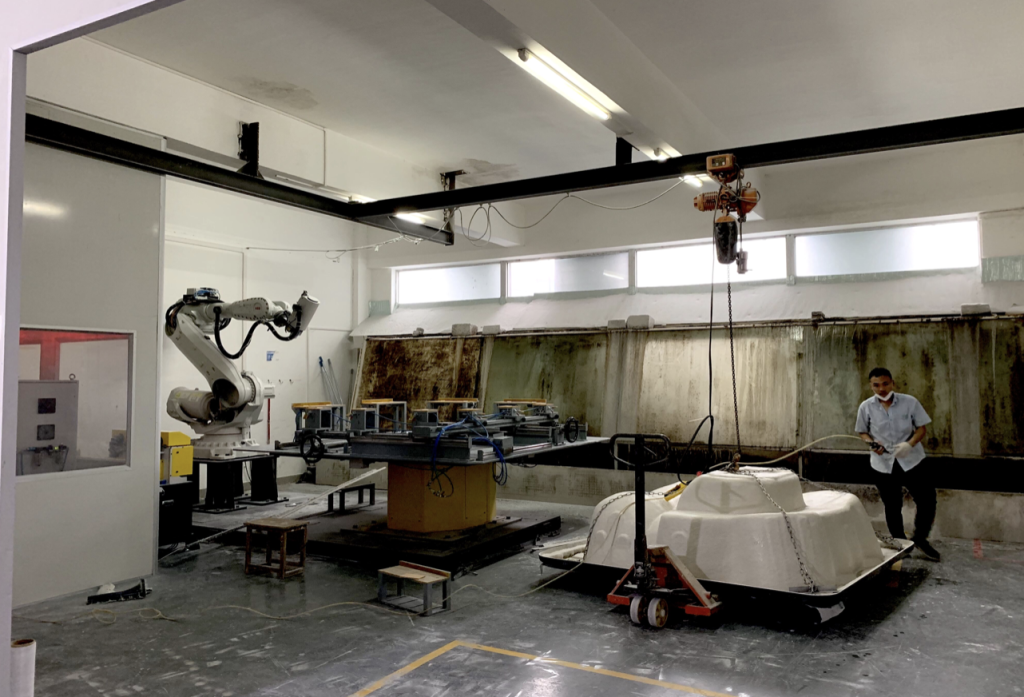
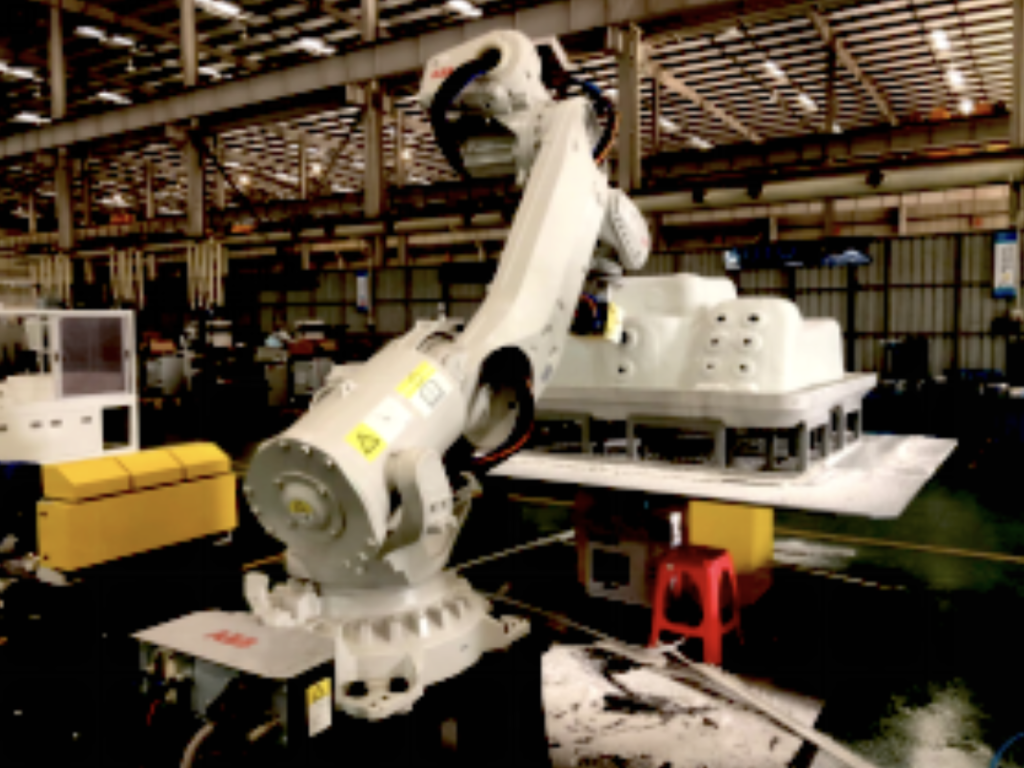
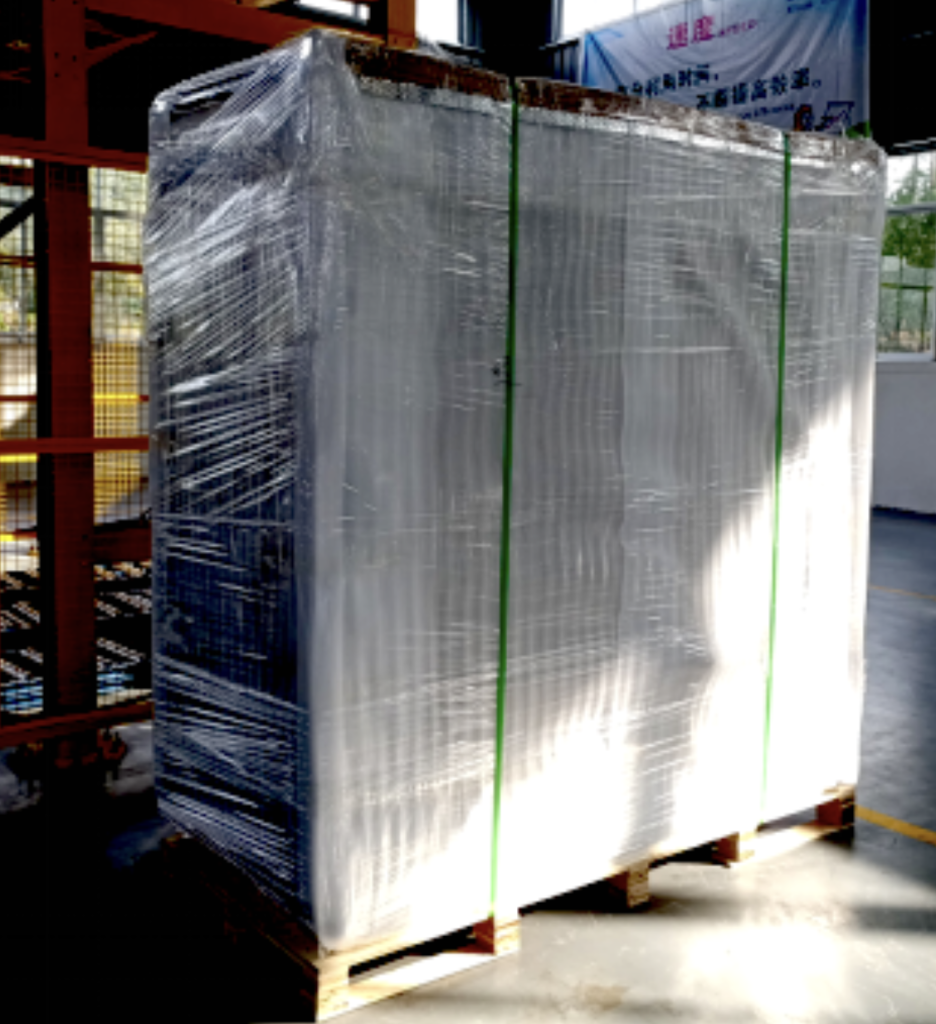
In the final step of hot tub production, the fully inspected and approved hot tub is prepared for shipment with packaging. Advanced automatic robot packing machines are employed for this task, ensuring a sturdy and reliable packaging job. These machines handle the hot tub with precision, wrapping and securing it to prevent any damage during transport.
The use of robotic packing machines also significantly increases packaging efficiency. These machines are capable of packaging hot tubs more quickly and consistently than human packers, reducing the time it takes to prepare each hot tub for shipment. The use of such advanced automation in the packaging process is a testament to the manufacturer’s commitment to quality and efficiency, ensuring that each hot tub arrives at its destination in perfect condition, ready for installation and use.